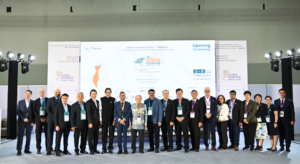







Consumers are increasingly demanding more than a comfortable and fashionable cotton product at a reasonable price – they want to know the product’s story, too. That was the primary message delivered by panelists during the third open session of the 74th plenary meeting of the International Cotton Advisory Committee (ICAC), entitled Demand for Cotton: The Views of Retailers.
“Our customers love everything about cotton,” Pascal Brun, global supply chain manager for H&M said. “However, their concerns about sustainability are not going to go away. People want to know the story behind the products they buy: what they are made of, where they come from, and what impact they have on the environment.”
Ultimately, all stakeholders in the cotton value chain have a role to play when it comes to increasing transparency and traceability, the panelists said. However, the focus shouldn’t be 100 per cent internal because inviting the end consumer to be active participants in the process could pay big dividends in the long run.
“The cotton industry needs to take advantage of consumers’ hunger for knowledge by involving them in the sustainability movement,” Brun said. “For example, educating consumers about the benefits of recycling their clothing and textiles is not only beneficial for the environment, it makes people feel good when they purchase products made from cotton.”