











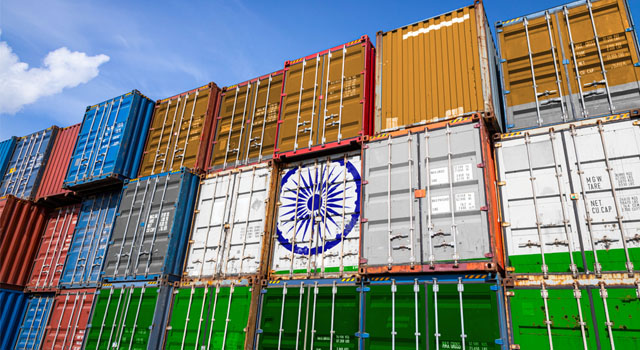


 Eight textile industry associations demanded relaxation of the cabotage law to help cut costs in transporting cotton from Gujarat to Tamil Nadu as doing away with the law would help save hundreds of crores of rupees.
According to the textile industries associations almost 50 per cent of the cotton used for textile manufacturing in Tamil Nadu is purchased from Gujarat. And, the transit of the cotton is done through three modes; rail, road and water.
The associations in and around Coimbatore invited the minister of state for road transport, national highways and shipping, Pon Radhakrishnan for a discussion on strategies to make Indian textile industries globally competitive. During the discussion on Sunday, one of the presentations focused on the need to relax the Cabotage Law.
According to Karthik Durai, one of the directors of Texprenuers Forum that hosted the discussion said that the transit of cotton by road costs Rs. 820 per bale or 4.8/Kg and Rs. 680 per bale or 4/Kg by ship. But, transit by seas is difficult because there are not enough Indian containers that carry the good in the ship. And, it takes 25 days for the cotton to reach the mill, while they have to pay the ginners within 21 days. This forces them to transport cotton by road most times.
Karthik said if the Cabotage laws are relaxed, the industry would save almost Rs. 250 per bale. Tamil Nadu purchases 70, 00,000 bales from Gujarat every year. If they save Rs. 250 per bale, the industry will save about Rs. 175 crore.
Radhakrishnan has assured the textile entrepreneurs that their message would be conveyed to the Prime Minister and the union minister for transport, Nitin Gadkari, and measures pertaining to the matter would be taken up soon.