








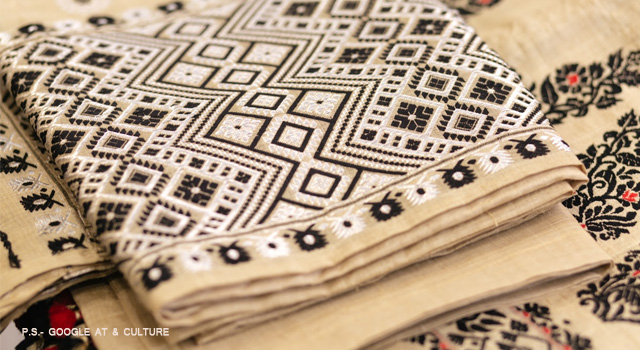
Northeast India Textiles are gaining strong visibility in the Indian fashion industry, with designers and brands increasingly drawing inspiration from the region’s rich handloom heritage, vibrant weaves, geometric motifs, and traditional textiles. However, craft entrepreneurs and designers from the region have emphasised that the growing popularity of these fabrics must go hand in hand with respect for the cultural traditions and communities behind them.
Industry voices note that while the Northeast is currently enjoying a moment of recognition in fashion, there have been instances where mainstream brands referenced the region’s textiles without meaningful engagement with local artisans or weaving communities. Experts argue that simply acknowledging inspiration is not enough; proper attribution, collaboration with weavers, and a deeper understanding of the cultural significance of these textiles are essential.
Designers highlight that textiles across the eight Northeastern states represent complex cultural systems rather than decorative fabrics. With over 220 ethnic communities in the region, each tribe has its own weaving traditions, colour language, and motif structures that often signify identity, social status, gender roles, or ceremonial purposes. Misusing these patterns without understanding their meaning can lead to cultural misrepresentation.
For example, traditional shawls and garments from communities such as the Naga, Mizo, and Kuki carry symbolic importance linked to honour, mourning, or social identity. Designers caution that commercialising such culturally significant textiles or mixing motifs from different tribes without context can dilute the heritage carefully preserved by communities for generations.
At the same time, many designers from the region see the growing global interest as an opportunity to promote sustainable fashion and revive traditional weaving. They advocate responsible collaborations between brands, designers, and local weavers to ensure fair recognition, economic value, and authenticity in the use of indigenous textiles.
Experts believe that with the right approach-grounded in cultural sensitivity, artisan partnerships, and transparent sourcing-Northeast India’s textiles can achieve global recognition while safeguarding the identity and heritage of the communities that created them.
Source: ET Retail.Com
(Rewritten & adapted by Indian-Apparel.com News Desk)
Subscribe our WhatsApp Channel FREE to get regular updates – Click here
Enlist your name FREE in Apparel Manufacturers Directory – Click here