








South India Cotton Yarn market remained largely stable this week, reflecting cautious optimism across the textile value chain, even as labour shortages linked to the ongoing West Bengal Assembly elections began to disrupt operations in key eastern clusters.
Market participants across major spinning hubs in Coimbatore and Tiruppur reported steady yarn prices, supported by balanced demand from domestic knitwear and weaving segments. Despite intermittent fluctuations in raw cotton costs, mills have largely held price levels, citing stable order flows and controlled inventory positions.
Industry sources noted that demand from the downstream apparel sector remains consistent, particularly for hosiery and blended yarns. Export inquiries have also shown signs of gradual improvement, especially from Asian and Middle Eastern markets, lending additional support to yarn prices.
However, the situation in eastern India tells a different story. The ongoing electoral process in West Bengal has triggered a temporary migration of workers back to their hometowns, leading to labour shortages in textile and ancillary units. This has particularly impacted small and medium enterprises dependent on migrant labour for spinning, weaving, and processing activities.
Manufacturers highlighted that the labour crunch has slowed production schedules and, in some cases, delayed dispatch timelines. While the disruption is expected to be temporary, industry stakeholders are closely monitoring the situation, as prolonged shortages could tighten supply and influence yarn availability in the coming weeks.
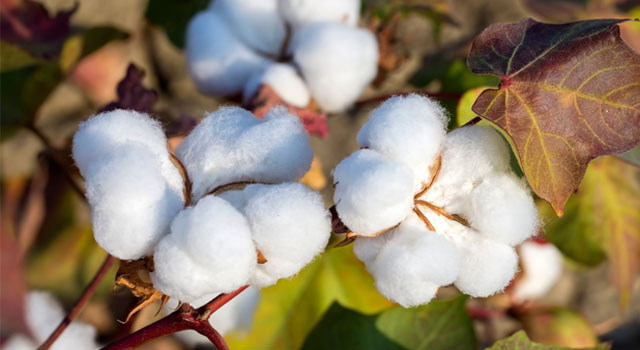
On the raw material front, cotton prices have shown limited volatility, helping mills maintain cost stability. Traders indicated that any significant movement in cotton rates or further supply-side disruptions could alter the current equilibrium.
Overall, the South India cotton yarn market continues to exhibit resilience amid regional challenges. With stable demand and cautious inventory management, the sector remains on a steady footing, even as external factors like election-driven labour shifts introduce short-term uncertainties.
Source: Fibre2Fashion
(Rewritten & adapted by Indian-Apparel.com News Desk)
Subscribe our WhatsApp Channel FREE to get regular updates – Click here
Enlist your name FREE in Apparel Manufacturers Directory – Click here