









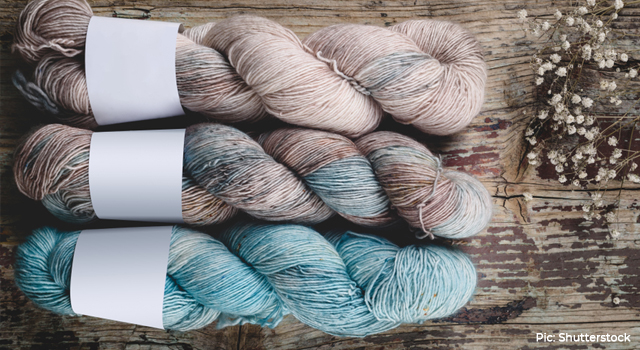
Hank Yarn has once again taken centre stage in India’s textile policy landscape as the Government of India reimposes the mandatory Hank Yarn Obligation (HYO) on textile spinning mills. In a significant move aimed at safeguarding the country’s traditional handloom industry and ensuring a steady supply of raw materials to millions of weavers, the decision is expected to provide renewed support to India’s handloom ecosystem, preserve rural livelihoods, and strengthen the nation’s rich textile heritage.
The Ministry of Textiles has reinstated the obligation requiring spinning mills to produce and supply a specified percentage of yarn in hank form exclusively for the handloom sector. The move comes amid growing concerns over raw material shortages, rising yarn prices, and the increasing vulnerability of handloom weavers across the country.
The handloom industry remains one of India’s largest sources of rural employment after agriculture, supporting over 3.5 million weavers and allied workers. However, over the years, the sector has faced multiple challenges, including inconsistent access to quality yarn, competition from power looms, and volatile input costs.
Ensuring Raw Material Availability for Handloom Weavers
The reintroduction of the Hank Yarn Obligation is intended to address a long-standing issue affecting handloom clusters nationwide. By mandating spinning mills to allocate a portion of their production to hank yarn, the government aims to ensure uninterrupted availability of raw materials at reasonable prices.
Industry experts believe the decision will particularly benefit traditional weaving hubs such as Varanasi, Bhagalpur, Chanderi, Kanchipuram, Pochampally, and West Bengal’s handloom clusters, where artisans depend heavily on a stable supply of hank yarn for production.
The policy intervention is also expected to reduce dependence on intermediaries and curb speculative price fluctuations that have often burdened small-scale weavers.
Strengthening India’s Heritage Textile Industry
India’s handloom sector represents a critical pillar of the country’s cultural and economic identity. Renowned globally for its craftsmanship, the industry contributes significantly to textile exports while preserving centuries-old weaving traditions.
Government officials have reiterated that the decision aligns with broader initiatives such as Atmanirbhar Bharat, Vocal for Local, and sustainable textile development. Supporting the handloom ecosystem is increasingly viewed as essential for promoting inclusive growth and empowering rural communities.
The renewed obligation also complements ongoing efforts to modernise handloom infrastructure, improve market access, and expand digital outreach for artisan communities.
Positive Impact on Employment and Rural Economy
Experts anticipate that the move will generate positive ripple effects across rural economies. Stable yarn availability can help improve production consistency, boost incomes for handloom workers, and encourage younger generations to remain engaged in traditional crafts.
Many industry stakeholders have welcomed the decision, noting that a stronger handloom sector contributes to women’s employment, entrepreneurship, and regional economic development.
The measure could also support India’s growing emphasis on sustainable fashion, as handloom textiles are widely recognised for their low carbon footprint and environmentally responsible production processes.
Textile Industry Balances Growth and Traditional Preservation
While spinning mills may need to adjust production planning to accommodate the revised obligation, policymakers have stressed the importance of maintaining equilibrium between industrial growth and the preservation of traditional sectors.
The government is expected to work closely with textile manufacturers, handloom associations, and state authorities to ensure smooth implementation and minimise operational disruptions.
Industry observers believe the policy sends a strong signal that India’s textile growth strategy will continue to prioritise both large-scale manufacturing and heritage-based industries.
Boosting India’s Global Textile Position
As India seeks to strengthen its position as a global textile manufacturing hub, protecting the handloom sector remains a strategic priority. International demand for authentic, handcrafted, and sustainable textiles continues to rise, creating fresh opportunities for Indian artisans and exporters.
The reimposition of the Hank Yarn Obligation reinforces the government’s commitment to preserving traditional craftsmanship while integrating the sector into modern value chains.
With supportive policies, improved market linkages, and enhanced raw material accessibility, India’s handloom industry is poised to become a stronger contributor to employment generation, exports, and sustainable economic development
Source: Fibre 2 Fashion
(Rewritten & adapted by Indian-Apparel.com News Desk)
As the industry continues to evolve, staying connected with reliable data is essential for growth.
- Stay ahead of market trends and get instant news alerts by subscribing to our free WhatsApp channel for apparel professionals.
- Expand your business reach and connect with new buyers — list your apparel manufacturing company for free in our global directory today.


