




Some Popular Post

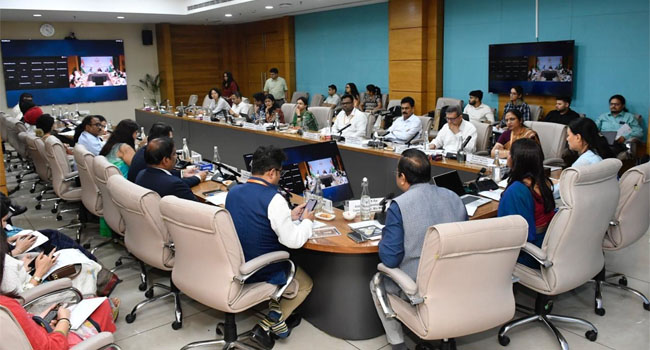
India-US Trade Cooperation Strengthened At New York Business Talks

As India-US trade and investment relations continue to deepen, Union

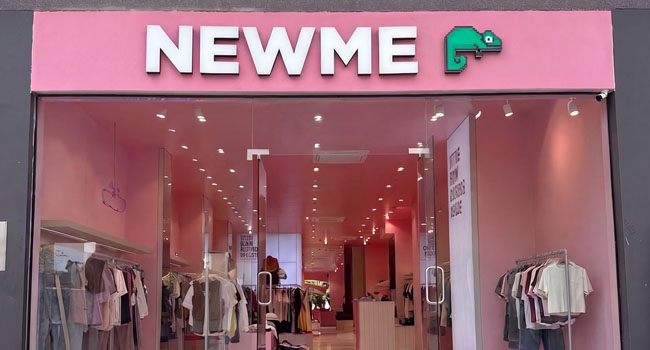
NEWME Opens 25th Store In India, Expands Retail Presence With Vadodara Launch

Fashion-tech brand NEWME has achieved a major retail milestone with

BRICS MSME Cooperation Gains Momentum Under India 2026 Chairship

BRICS MSME cooperation is set to gain momentum under India’s

Agilitas Sports Secures Investment From Actor-Producer Anushka Sharma

Actor-producer Anushka Sharma has acquired a minority stake in sportswear

Indian Apparel - India's Trusted Apparel & Textile B2B Platform for News, Events & Manufacturers Directory

  • Home  
  • Designer Sabyasachi Mukherjee Advocates Tariff-Free Status For Craft Businesses
- Global News - Apparel and Textile News - Manufacture - National News - Trade Info News

Designer Sabyasachi Mukherjee Advocates Tariff-Free Status For Craft Businesses

Renowned Indian designer Sabyasachi Mukherjee has expressed that businesses rooted in traditional craftsmanship and local culture should be exempt from international tariffs, especially in the context of increasing global trade tensions. Speaking amid the ongoing debate surrounding U.S. tariffs on imported goods, Mukherjee advocates for a distinction between mass-produced products and those that serve as […]

Designer Sabyasachi Mukherjee advocates tariff-free status for craft businesses
Quick Industry Summary
AI
Market ShiftAdvocacy for tariff exemption on craft signals potential future trade policy shifts.

Sabyasachi Urges Tariff Exemption for Cultural Craft Exports

  • WHAT: Renowned designer Sabyasachi Mukherjee advocates for international tariff exemption on traditional craftsmanship and local culture-rooted products.
  • WHO: Indian craft-based manufacturers, luxury brands, and exporters of artisanal textiles are most affected by current tariffs and would benefit from this proposal.
  • IMPACT: If adopted, this policy could significantly reduce costs for exporting high-value craft goods, boosting their global competitiveness and market access.
  • CONTEXT: This advocacy aligns with a broader industry trend towards valuing authenticity, sustainability, and cultural heritage over mass production.
  • ACTION: Professionals should monitor discussions on trade policy differentiation for craft, explore market opportunities in heritage products, and prepare for potential shifts in consumer demand towards authentic luxury.
Affects:ManufacturersExportersGarment ManufacturersSourcing ManagersImportersRaw Material SuppliersDyers & ProcessorsBrand OwnersInvestorsPolicy Makers
Craft ExportsTariff ExemptionCultural HeritageLuxury MarketTrade PolicyArtisanal Textiles
Powered by Google Gemini — AI-generated, verify key facts before decisions.

Renowned Indian designer Sabyasachi Mukherjee has expressed that businesses rooted in traditional craftsmanship and local culture should be exempt from international tariffs, especially in the context of increasing global trade tensions. Speaking amid the ongoing debate surrounding U.S. tariffs on imported goods, Mukherjee advocates for a distinction between mass-produced products and those that serve as vessels of cultural heritage.

“Products that generate soft power—particularly those made with craft—should be free of trade restrictions,” Mukherjee emphasized during a fireside chat at the Business of Fashion’s Crossroads event in Dubai. “We don’t live in a monoculture. People want diversity, and craft is at the heart of that diversity.”

He argues that tariffs designed to protect domestic industries may unintentionally hinder the growth of global cultural exchange. “Some products may warrant tariffs, yes. But handmade textiles, art, and artisanal fashion are not just goods—they’re living legacies,” he said. “We must allow them to travel freely, because they enrich the world far beyond economic value.”

Mukherjee sees this as especially relevant for countries like India, where luxury isn’t a foreign concept but a deeply ingrained part of the cultural fabric. “Luxury in India isn’t new. What’s new is the rediscovery of it through modern storytelling,” he said.

The Future of Luxury: Craft, Authenticity, Legacy

Looking ahead, Mukherjee predicts a shift in consumer focus from logo-driven luxury to craft-driven authenticity. “As the world enters what I call the ‘age of wisdom,’ people will buy brands that support ecosystems, that protect culture, and that feel human.”

In this evolving landscape, he believes tariffs on craft-based businesses act as a deterrent to the kind of global dialogue luxury should inspire. “Let craft move freely,” he urges. “Because when we protect heritage, we don’t just protect the past—we create a richer, more diverse future.”