









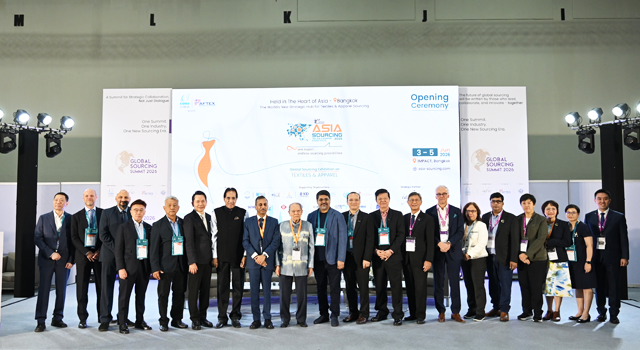


The centre must aggressively enter into as many Free Trade Agreements (FTAs) as possible with select textile markets in Asia and the European Union to safeguard Indian textile and apparel industry to neutralize the negative impact of the recently negotiated 12-nation Trans-Pacific Partnership (TPP), according to a report on how to enable “Make in India Possible in Textile and Apparel sector”. The report was released by Confederation of Indian Industry (CII) and management consulting firm Wazir Advisors at the CII Texcon 2015 in New Delhi on Thursday.
“The TPP is a trade agreement that will open markets, and enable countries like Vietnam a zero-duty access to the US market for textiles, while Indian players will have to pay 14 to 32 per cent duties, which will make them uncompetitive. It would have been much better had India too joined the TPP”, the report said.
“The TPP will adversely impact the Indian textiles industry because of the yarn forward provision which requires the yarn and fabric used in final product to be manufactured in one of the free trade partners to qualify for duty-free treatment under the trade pact. At present, India exports yarn and fabric to Vietnam which then exports the finished products to countries like the US. Now, with the yarn forward provision in the TPP, they will have to either source it from some other free partner country or produce domestically, hurting India’s exports adversely”, Sachit Jain, vice chairman, CII National Committee on Textiles said.
“India should take all possible steps to join the APEC forum, which accounts for nearly 60 per cent of global GDP. This would provide a pathway for greater integration into the region’s economy”, he added.
“India is quite competitive in textile and with massive costs increases in China, Indonesia, Thailand, Philipinnes in labour and power, we have a historic opportunity to build a thriving textile industry and be a catalyst for job creation. One crore invested in textiles leads to 70 direct jobs and 5 crore of revenue. Hence it can be the cornerstone of the new government’s policy of increasing share of manufacturing in GDP to 25 per cent and be the key driver of Make in India. It is, however, important that India eases the labour laws and creates an enabling infrastructure”, Prashant Agarwal, joint managing director, Wazir Advisors Pvt. Ltd. said.