








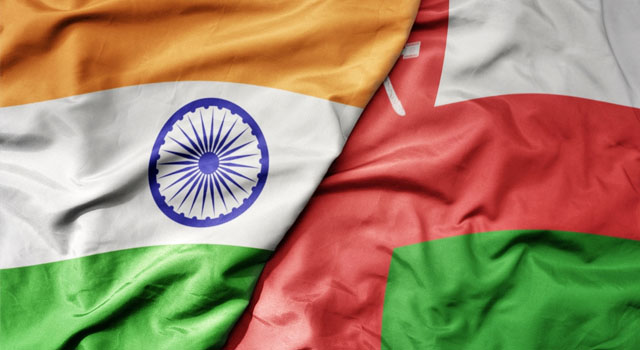


The India-Oman CEPA (Comprehensive Economic Partnership Agreement) officially came into force on June 1, 2026, marking a significant milestone in bilateral economic relations and strengthening strategic trade and investment ties between the two nations.
The agreement was signed on December 18, 2025, in Muscat in the presence of Prime Minister Narendra Modi and Haitham bin Tarik Al Said. Following the completion of domestic ratification processes, the CEPA has now become operational, creating one of India’s most comprehensive trade partnerships in the Gulf region.
The agreement was formally operationalized in the presence of Union Commerce and Industry Minister Piyush Goyal and Oman’s Ambassador to India, H.E. Issa Saleh Al Shibani. To commemorate the occasion, the first consignments benefiting from preferential tariff treatment under the agreement, including agricultural products and gems and jewellery exports from Mumbai, Kolkata, and Chennai, were flagged off.
Oman is India’s second-largest trading partner in the Gulf region and serves as a strategic gateway to the wider Gulf Cooperation Council (GCC) and East African markets through its advanced logistics and port infrastructure. Bilateral trade between the two countries reached USD 11.18 billion in FY 2025-26, up from USD 10.61 billion in the previous fiscal year.
A major highlight of the India-Oman CEPA is the extensive market access secured for Indian exporters. Under the agreement, 99.38 percent of India’s exports by value will receive duty-free access to Oman, covering 98.08 percent of Oman’s tariff lines. Previously, only 15.33 percent of India’s exports entered Oman duty-free under the Most Favoured Nation regime. All tariff concessions take effect immediately, enhancing the competitiveness of Indian products in Oman’s nearly USD 28 billion import market.
The agreement is expected to provide significant benefits to labour-intensive sectors such as textiles, leather, footwear, marine products, engineering goods, pharmaceuticals, processed foods, and gems and jewellery. Indian exporters will now compete on equal or better terms with suppliers from countries that do not enjoy preferential trade access to Oman.
India has adopted a calibrated approach to tariff liberalisation, offering concessions on 77.79 percent of tariff lines while protecting sensitive sectors such as dairy products, cereals, fruits, vegetables, edible oils, spices, rubber, and leather products. Safeguards including Tariff Rate Quotas and Minimum Import Price mechanisms have also been incorporated to protect domestic industries and farmers.
The marine products sector stands to gain substantially, with all seafood exports, including shrimp, fish, and cuttlefish, receiving immediate duty-free access. This is expected to boost exports from major coastal states such as Andhra Pradesh, Kerala, Tamil Nadu, and Gujarat.
The gems and jewellery industry is another major beneficiary. Duties of up to 5 percent on jewellery imports into Oman have been eliminated, providing Indian exporters with a competitive advantage. India’s jewellery exports to Oman, currently valued at USD 25.78 million, are projected to increase six-fold to around USD 150 million within three years. Manufacturing hubs in Surat, Jaipur, Mumbai, Kolkata, and Chennai are expected to benefit significantly.
Agricultural exports are also poised for growth. India already accounts for a substantial share of Oman’s agricultural imports, and duty-free access will strengthen competitiveness in products such as basmati rice, cashews, honey, condiments, butter, sweet biscuits, bovine meat, eggs, and mangoes. The agreement is expected to benefit farmers and agri-exporters across several states, including Uttar Pradesh, Punjab, Haryana, Maharashtra, Gujarat, Andhra Pradesh, and Tamil Nadu.
In pharmaceuticals, the India-Oman CEPA provides binding zero-duty access for medicines, vaccines, and pharmaceutical ingredients. Products approved by leading international regulators such as the USFDA, EMA, UK MHRA, and TGA will receive faster marketing authorisations in Oman, significantly reducing compliance costs and accelerating market entry for Indian drug manufacturers.
Electronics and engineering goods exporters will also benefit from full tariff elimination on machinery, automobiles, electrical equipment, iron and steel products, and industrial machinery. Engineering exports to Oman, currently valued at USD 875.83 million, are projected to reach USD 1.3–1.6 billion by 2030.
The agreement also includes Oman’s most comprehensive services market access commitments ever offered to India, covering 127 sub-sectors. These include information technology, professional services, healthcare, education, telecommunications, construction, tourism, and financial services. Enhanced mobility provisions will allow business visitors, independent professionals, and intra-corporate transferees greater access to opportunities in Oman.
Speaking on the occasion, Piyush Goyal described the CEPA as a defining milestone that will support farmers, MSMEs, entrepreneurs, professionals, and exporters while strengthening India’s integration into regional and global value chains. Commerce Secretary Rajesh Agrawal said the agreement creates a framework for resilient supply chains, deeper economic integration, and stronger bilateral cooperation.
With provisions covering trade, services, investment facilitation, regulatory cooperation, logistics, and professional mobility, the India-Oman CEPA establishes a comprehensive economic architecture that is expected to drive long-term growth, investment, and employment generation while advancing India’s vision of Viksit Bharat 2047.
Subscribe our WhatsApp Channel FREE to get regular updates – Click here
Enlist your name FREE in Apparel Manufacturers Directory – Click here