







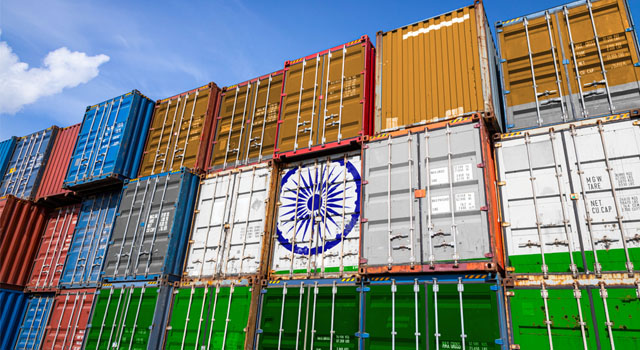

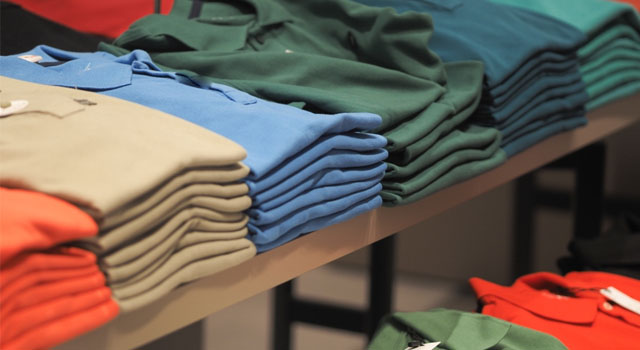


 Depreciation in the rupee has prompted global textile and apparel importer to renegotiate the contract terms and prices with Indian exporters resulting in higher realization of export-driven products from India. Now, new contract orders are being deferred till the Indian currency stabilises.
Rahul Mehta, president of the Clothing Manufacturers Association of India said that toreign buyers have started inducting a new clause in the contracts that keeps re-negotiation of prices open. Old customers, however, have not intervened yet. Clients who had negotiated apparel import terms have deferred orders by two to four weeks, which might be prolonged till the rupee stabilizes. In case of sharp currency fluctuations, prices would be re-negotiated.
R K Dalmia, president of Century Textiles and chairman of the Cotton Textiles Export Promotion Council, believes benefits for Indian textile exporters would depend on currency fluctuations in competing countries. In case Indian exporters compete with their counterparts in China, they would not get much benefit due to the yuan’s devaluation. If they are competing with Bangladesh, they will get some benefit. But since other Asian currencies have depreciated due to the yuan’s devaluation, Indian exporters wouldn’t get the benefit they would have, had the yuan not been devalued, Dalmia said. Stability in the rupee is vital for long-term sustainability and for smooth business.
D K Nair, secretary general, Confederation of Indian Textile Industry (CITI), is also of the view that overseas importers who are confident about the product and quality, have started re-negotiating price and contract terms. Depreciating rupee is good for textile exporters. Indian exporters with deep pocket who can resist price re-negotiation for higher realisation may continue to resist.
India exports 41 billion US Dollar worth of garments and apparels a year. As such, re-negotiation in contract terms and prices makes a huge difference in the overall realisations of exporters. New foreign customers, meanwhile, have started deciding apparel prices in dollar terms, keeping the rupee at current levels.