
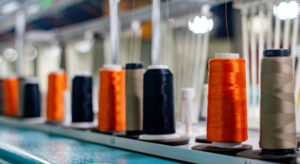


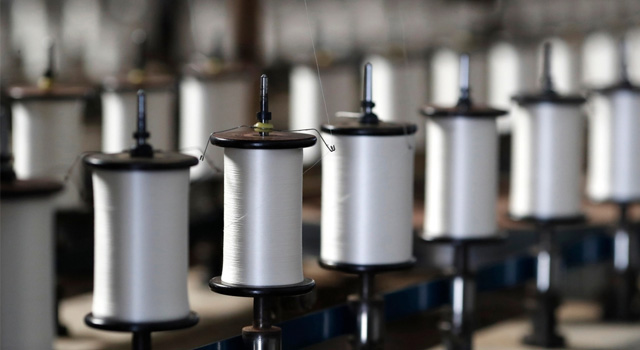


Man-made fiber and synthetic yarn would have inverted duty structure problem as they would be levied Goods and Services Tax (GST) at 18 per cent, while man-made and synthetic fabric would attract only 5 per cent GST rate. Keeping the rates of key inputs at a higher level will affect the competitiveness of small and medium synthetic textile manufacturers.
Confederation of Indian Textile Industry (CITI) chairman J Thulasidharan said, “The textile sector is suffering from various disadvantages like high energy costs and infrastructure bottlenecks. Keeping the rates of key inputs at a higher level will further affect the competitiveness of the sector.”
“India is already suffering a huge competitive disadvantage in the global textile market as the MMF based textile products are attracting higher rates of import duty. Keeping the GST at this rate will undoubtedly cripple hundreds of small and medium synthetic textile manufacturers”. He urged the government to reconsider the rates of MMF products and bring it at 12 per cent.
Thulasidharan also pointed out that the high rates announced for MMF fabric and yarn, dyeing and printing units, embroidery items at 18 per cent can lead to an increase in input costs and can adversely affect the entire textile value chain.
While mentioning that the GST of 5 per cent on fabrics is quite favourable for the industry, Synthetic and Rayon Textile Export Promotion Council (SRTEPC) chairman Narain Aggarwal said, “The GST of 18 per cent on synthetic fiber is again not a bad news, because the tax rate is same as it was earlier.”
Meanwhile, The Southern India Mills’ Association (SIMA) and CITI have appealed to the government to exempt the textile jobs from service tax as it would benefit the predominantly decentralized and MSME nature of the industry, especially the powerloom, knitting, processing and garmenting sectors.
– Apparel and Textile News, Apparel Talk, Indian Apparel

