


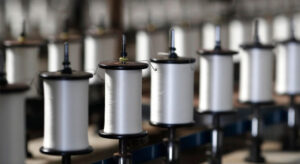




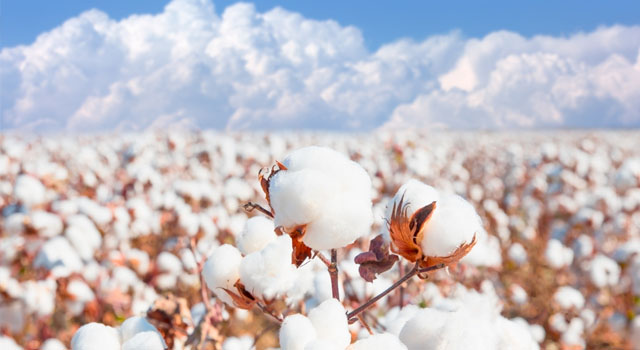
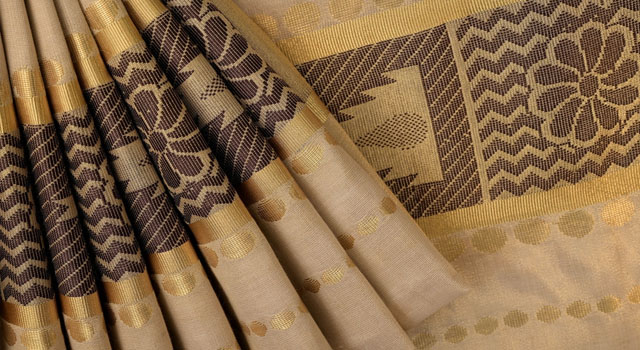




The man-made textile segment long neglected by policy makers, finally expects a “level-playing field” vis-a-vis cotton textiles as the country braces for a goods and services tax (GST) regime.
Although the actual GST rate applicable to textile and garment products will be announced in due course, senior textile industry executives said that the current disparity in the excise duty rates of cotton and man-made fibre will be “erased”, unless the government decides to give some exemption to cotton fibres.
Industry executives expect a GST rate of around 15 per cent, if the peak rate is 18 per cent, arguing that textile and garments are essential items.
Textile expert DK Nair, who is also an adviser to South Indian Textile Mills Association said that man-made fibre-based products will be more competitive vis-a-vis textiles items based on cotton fibre. This will be a good policy push, in sync with the global realities. However, both cotton and man-made fibre are also subject to 4-5 per cent state VAT, which will be included by the GST.
However, if the duty treatment of all cotton and man-made fibres remains the same, prices of textile items made of cotton fibre could raise a bit, Nair added. But equal tax treatment will give a push to man-made fibre production and subsequent exports.
The industry has long been complaining that the duty disparity is preventing domestic producers from scaling up operations and, consequently, hurting India’s export competitiveness in man-made textiles. This is because man-made fibres account for around 70 per cent of the world’s total fibre consumption, they make up for less than 30 per cent of India’s demand.

