







Contact Info

Some Popular Post

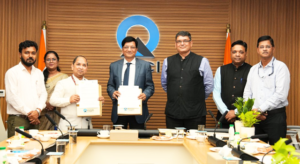
DPIIT Unveils New WPI 2022-23 Series, Paves Way For Producer Price Index Transition

The launch of the new WPI series marks a landmark

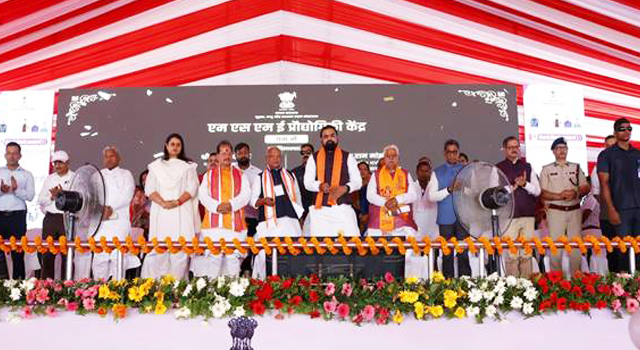
MSME Tech Centre In Gaya To Empower The Manufacturing Sector In Bihar

MSME Tech Centre In Gaya To Transform Industrial Future In

MSME Tech Centre In Gaya To Transform Industrial Future In Bihar

MSME Tech Centre In Gaya To Transform Industrial Future In

Success Menswear Strengthens Retail Presence Across India, Targets Further Expansion

Homegrown menswear brand Success Menswear is strengthening its position in

Indian Apparel - India's Trusted Apparel & Textile B2B Platform for News, Events & Manufacturers Directory

  • Home  
  • India WPI Inflation Rises To 3.88% In March 2026, Textile Prices See Steady Uptick
- National News - Apparel and Textile News - Manufacture - Trade Info News

India WPI Inflation Rises To 3.88% In March 2026, Textile Prices See Steady Uptick

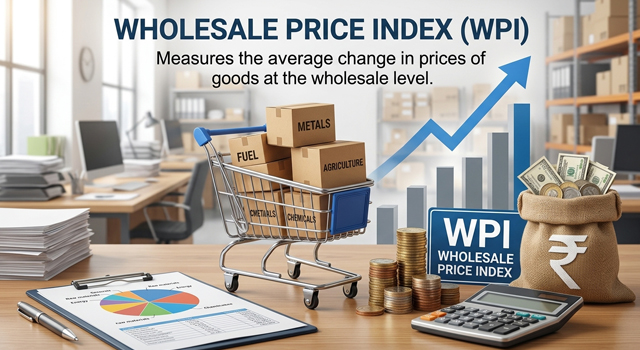
India’s (Wholesale Price Index) WPI Inflation rose to 3.88% (provisional) in March 2026, marking a notable increase from 2.13% in February. The rise in WPI Inflation was largely driven by higher prices of crude petroleum & natural gas, basic metals, non-food articles, and key manufacturing segments, including textiles. The WPI Inflation trend was strongly reflected […]

India WPI Inflation Rises
Quick Industry Summary
AI
MonitorRising WPI inflation, especially in textiles, signals sustained cost pressures and potential pricing adjustments.

Textile Inflation Rises: Sustained Cost Pressures Ahead

  • WHAT: India's WPI inflation rose to 3.88% in March 2026, with textile-specific inflation at 4.91% year-on-year.
  • WHO: Garment manufacturers, fabric mills, and yarn producers are most affected by rising input costs.
  • IMPACT: Expect upward pressure on textile product pricing and potential erosion of profit margins if not passed on.
  • CONTEXT: This reflects broad-based industrial price growth, driven by crude, basic metals, and non-food articles, indicating a stable yet rising price environment.
  • ACTION: Professionals should review pricing strategies, negotiate supplier contracts, and monitor upcoming WPI data for April 2026.
  • CONTEXT: This reflects broad-based industrial price growth, driven by crude, basic metals, and non-food articles, indicating a stable yet rising price environment.
  • ACTION: Professionals should review pricing strategies, negotiate supplier contracts, and monitor upcoming WPI data for April 2026.
Affects:ManufacturersExportersSpinners & Yarn ProducersWeavers & Fabric MillsGarment ManufacturersSourcing ManagersBrand OwnersInvestors
WPI InflationTextile CostsInput PricesPricing StrategySupply ChainIndia Economy
Powered by Google Gemini — AI-generated, verify key facts before decisions.

India’s (Wholesale Price Index) WPI Inflation rose to 3.88% (provisional) in March 2026, marking a notable increase from 2.13% in February. The rise in WPI Inflation was largely driven by higher prices of crude petroleum & natural gas, basic metals, non-food articles, and key manufacturing segments, including textiles.

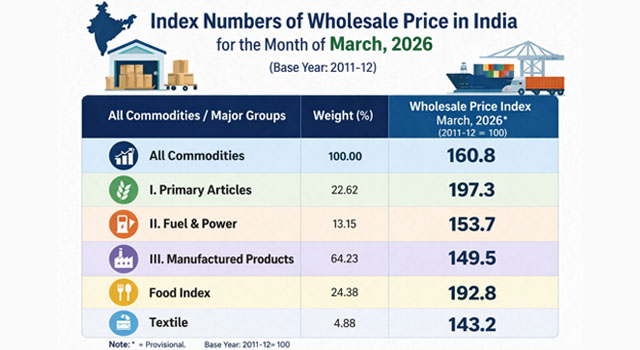
The WPI Inflation trend was strongly reflected in the Manufactured Products segment, which holds the largest weight of 64.23% in WPI and recorded 3.39% inflation in March, up from 2.92% in February. Within this, WPI Inflation in textiles stood at 4.91% (YoY), highlighting continued cost pressures and steady demand across the textile value chain.

On a month-on-month basis, WPI Inflation momentum strengthened as the overall index rose by 1.64% in March 2026, compared to 0.38% in February. The manufacturing sector saw a 0.88% increase, with rising WPI Inflation across key industries such as textiles, food products, chemicals, and basic metals, indicating broad-based industrial price growth.

The WPI Inflation in Primary Articles surged to 6.36%, mainly due to a sharp spike in crude petroleum & natural gas prices. At the same time, WPI Inflation in the Fuel & Power category turned positive at 1.05%, supported by higher mineral oil prices despite a decline in electricity costs.

For the textile industry, WPI Inflation trends point to a stable yet rising price environment. The month-on-month increase of 1.27% in textile prices reflects sustained WPI Inflation pressures, driven by input cost increases and improving demand conditions.

The WPI Inflation-based Food Index remained steady at 1.85%, with marginal easing in food prices on a monthly basis, offering limited relief to overall WPI Inflation pressures in the economy.

Overall, the WPI Inflation index stood at 160.8 in March 2026, compared to 158.2 in February and 157.6 in January (final). The rising trajectory of WPI Inflation indicates a gradual build-up of price pressures across India’s industrial sectors, with textiles playing a significant role.

Going ahead, WPI Inflation trends will be closely monitored as the next data release for April 2026 is scheduled for May 14, 2026, which will provide further clarity on inflation direction and its impact on the textile industry.

Subscribe our WhatsApp Channel FREE to get regular updates – Click here

Enlist your name FREE in  Apparel Manufacturers Directory – Click here

The current WP code uses favicon.png and a basic speech bubble. Let me match the exact React SVG (speech bubble with 3 dots + smile curve) and styling precisely:
🧵 Ask Dhaaga AI Powered by Indian-Apparel.com