







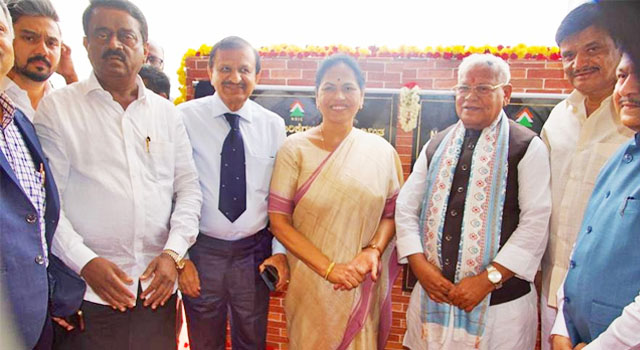

RAI, CEO, Kumar Rajagopalan : Spokesperson
1) Review of Indian Retail in 2025
2025 was a strong and steady year for India’s retail sector, marked by improving consumer sentiment, supportive policy moves, and broad-based growth across categories. After a mild start, retail demand strengthened through the year and peaked during the festive season, where overall sales grew more than 11% year-on-year. Categories such as food & grocery, footwear, jewellery, QSR, and value fashion performed particularly well, aided significantly by GST rate cuts that lowered prices for everyday goods.
A defining shift in 2025 was the rise of Bharat’s consumption engine. Tier II and III cities drove store expansion and category growth, with consumers in smaller towns displaying the same appetite for branded, quality products as their metro counterparts. Omnichannel continued to mature: shoppers moved fluidly between online research and offline purchase, but the majority of transactions still concluded in physical stores, reinforcing India’s “phygital” reality.
Policy changes also shaped the year. Income-tax relief and GST rationalisation supported consumption, while the rollout of national labour codes marked an important step toward more formalised employment for retail’s large frontline workforce.
2) 2026 Outlook: RAI’s View
Looking ahead, the Retailers Association of India (RAI) expects 2026 to be a growth- accelerating year, driven by policy stability, higher disposable incomes, and continued expansion into new markets.
RAI’s top expectations and priorities for 2026 include:
• Simplified Ease of Doing Business: A unified One Nation, One Retail Licence and single- window clearances to cut compliance burdens and support faster store expansion across states.
• Policies That Boost Consumption: Continued GST rationalisation and tax measures that put “more money in people’s hands” to sustain mass-market demand—especially important after GST cuts that have already improved household purchasing power.
• Strengthening India’s Phygital Infrastructure: Investment in logistics, broadband, digital payments, and ONDC to help retailers of all sizes adopt technology and reach customers nationwide.
• Clear, Consistent Regulations Across Channels: Fair-play guidelines for e-commerce, clarity on marketplace practices, and smooth implementation of the new labour codes.
• The competitive scenario is also changing, with several new entrants in the market.
There is no entry barrier for new retail businesses and many of them seem to experiment on social commerce, then marketplaces, and then become omnichannel retailers with GST reforms acting as a stimulus and value-driven categories expected to see sustained demand, RAI anticipates healthier sales growth in 2026, led by the mass market, expanding physical retail, and a maturing omnichannel ecosystem.
Subscribe our WhatsApp Channel FREE to get regular updates – Click here
Enlist your name FREE in Apparel Manufacturers Directory – Click here