








The textile exporters community, along with the wider textiles industry has extended its appreciation to the Directorate General of Foreign Trade (DGFT) for taking an important policy decision vide Notification No. 28 dated 28 August 2025. Through this notification, the Export Obligation (EO) period under the Advance Authorisation scheme for products falling under mandatory Quality Control Orders (QCOs) issued by the Department of Chemicals and Petrochemicals (DCPC) has been significantly extended. The timeline for fulfilling EO, earlier fixed at just six months, has now been increased to eighteen months. This enhancement has been welcomed as a timely step, providing exporters with the flexibility needed to manage production cycles, align with overseas demand schedules, and ease operational stress.
It is also relevant to note that a similar extension had earlier been granted by the Ministry of Textiles in respect of QCOs issued under its jurisdiction. For these, too, the EO period was increased from six months to eighteen months. With both the Ministry of Textiles and the DCPC adopting parallel measures, textile exporters now benefit from consistent timelines and simplified compliance.
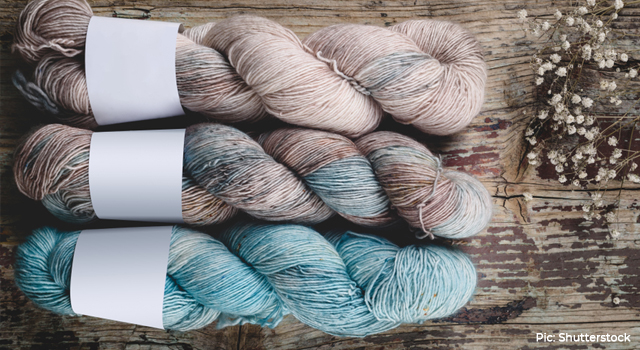
This policy harmony offers much-needed relief to textile exporters of man-made fibre (MMF) textiles and technical textiles, sectors that have been steadily expanding in importance. The extension will improve ease of doing business, reduce the risk of penalties or defaults, and ultimately strengthen the global competitiveness of Indian textile products.
At the heart of this facilitation lies the Advance Authorisation scheme, a cornerstone of India’s export promotion framework. The scheme allows duty-free imports of inputs required for the manufacture of goods meant for physical exports. Importantly, it exempts such imports from mandatory QCO compliance, provided the inputs are exclusively used for export production. This exemption ensures seamless access to critical raw materials—fibres, yarns, and specialty chemicals—that might otherwise face delays or barriers due to regulatory requirements. The scheme has been particularly significant for the textile sector, with nearly 18 percent of all Advance Authorisations issued in India being linked to textiles. The DGFT’s decision to extend the EO period therefore directly benefits a large share of exporters and underlines the strategic importance of the sector.
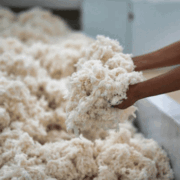
Another measure that further strengthens raw material security is the continuation of the exemption from import duty on cotton (HS Code 5201) until 31 December 2025. Cotton, despite the industry’s diversification into MMF and technical textiles, remains a backbone for India’s spinning, weaving, and garmenting value chains. The exemption ensures stable and affordable cotton supplies at globally competitive prices, particularly important in an environment where global cotton prices are volatile and domestic supply can fluctuate. This measure reduces input cost pressures on manufacturers and ensures that the availability of cotton does not become a bottleneck in production.
These decisions are in addition to the broader policy initiatives being rolled out by the Government of India. Flagship interventions such as the Production-Linked Incentive (PLI) scheme and the National Technical Textiles Mission (NTTM) aim to boost domestic capacity, modernise infrastructure, and promote innovation in textile production. Together with the latest measures—EO period extension and cotton duty exemption—these policies reflect a holistic approach, combining immediate relief with long-term structural reforms.
The impact of such facilitation is visible in India’s export performance. In 2024–25, exports across the MMF value chain were valued at USD 8.46 billion, including MMF fibre exports worth USD 401 million. These figures demonstrate the growing role of MMF and technical textiles in India’s global trade portfolio. With global demand for performance-oriented and innovative textiles on the rise, ensuring cost competitiveness and uninterrupted raw material supply is critical for India to capture a larger market share.
In conclusion, the extension of the EO period under Advance Authorisation, combined with the exemption of cotton import duty, offers exporters much-needed flexibility, reduces compliance challenges, and strengthens raw material availability. These proactive and forward-looking measures by the DGFT, DCPC, and the Ministry of Textiles will not only support India’s textile exporters in meeting global demand but also enhance the sector’s resilience and long-term growth trajectory.
Subscribe our WhatsApp Channel FREE to get regular updates – Click here
Enlist your name FREE in Apparel Manufacturers Directory – Click here