






Contact Info

Some Popular Post

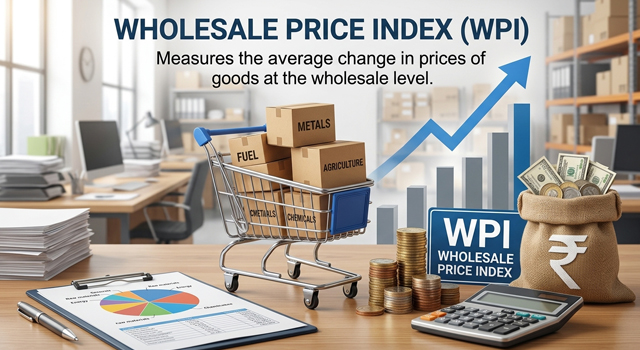
DPIIT Unveils New WPI 2022-23 Series, Paves Way For Producer Price Index Transition

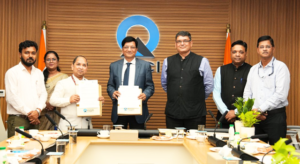
The launch of the new WPI series marks a landmark

MSME Tech Centre In Gaya To Empower The Manufacturing Sector In Bihar

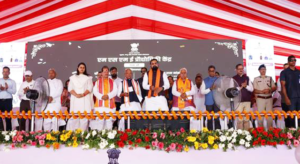
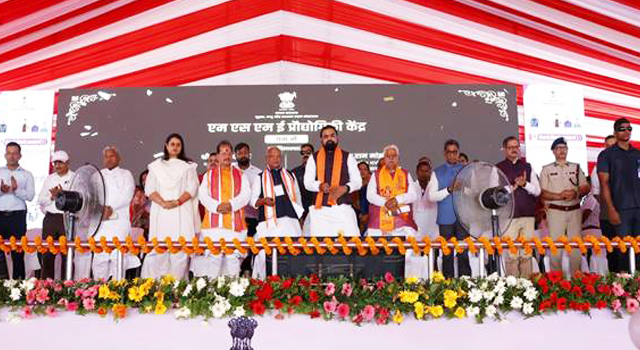
MSME Tech Centre In Gaya To Transform Industrial Future In

MSME Tech Centre In Gaya To Transform Industrial Future In Bihar

MSME Tech Centre In Gaya To Transform Industrial Future In

Success Menswear Strengthens Retail Presence Across India, Targets Further Expansion

Homegrown menswear brand Success Menswear is strengthening its position in

Indian Apparel - India's Trusted Apparel & Textile B2B Platform for News, Events & Manufacturers Directory

  • Home  
  • RAI’s View on Proposed GST Hike for Premium Apparel, Accessories, and Cosmetics
- National News - Manufacture - Retail News - Trade Info News

RAI’s View on Proposed GST Hike for Premium Apparel, Accessories, and Cosmetics

The Retailers Association of India (RAI) expresses concern over the proposed GST rate increases, as they could have far-reaching consequences on both the formal retail sector and consumer sentiment. Here are our key observations: Risk to Formalisation and Rise of Informal Trade:ย The GST regime has been pivotal in formalising businesses in India, fostering a structured […]

RAI's View on Proposed GST Hike for Premium Apparel, Accessories, and Cosmetics
Quick Industry Summary
AI
!RiskProposed GST hikes threaten formal retail, consumer spending, and 'Make in India' initiative.

GST Hike Threatens Formal Retail, Consumer Spending, 'Make in India'

  • WHAT: Proposed GST rate increases risk pushing formal businesses towards unorganised markets and hurting consumer affordability.
  • WHO: Formal retailers, garment manufacturers, and consumers, especially women managing household budgets, are most affected.
  • IMPACT: Increased operational costs for formal businesses, reduced consumer discretionary spending, and slower domestic market growth.
  • CONTEXT: This move could reverse progress in formalizing India's retail sector and undermine the 'Make in India' initiative for premium products.
  • ACTION: Professionals should monitor GST Council decisions, advocate for balanced policies, and prepare for potential shifts in consumer demand and market structure.
Affects:ManufacturersExportersDistributorsRetailersWholesalersGarment ManufacturersSourcing ManagersBrand OwnersInvestorsPolicy Makers
GSTRetailConsumer SpendingFormalisationMake in IndiaTax Policy
Powered by Google Gemini — AI-generated, verify key facts before decisions.
The Retailers Association of India (RAI) expresses concern over the proposed GST rate increases, as they could have far-reaching consequences on both the formal retail sector and consumer sentiment. Here are our key observations:
  1. Risk to Formalisation and Rise of Informal Trade:ย The GST regime has been pivotal in formalising businesses in India, fostering a structured retail ecosystem. However, steep tax increases could make formal businesses less competitive, pushing smaller players and traders towards parallel and unorganised markets. Many illegal players may not adhere to the new norms, especially onlineโ€”to thrive. This shift risks undoing years of progress in building trust and compliance within the formal retail system.
  2. Impact on Make in India:ย India, as the worldโ€™s 5th largest economy and the fastest-growing population, still holds untapped potential for premium branded products. However, many international brands report that a significant portion of premium product purchases by Indian consumers occurs outside the country. The proposed move by the Council could undermine the Government of Indiaโ€™s Make in India initiative, further delaying the growth of this segment domestically.
  3. Impact on Consumers, Especially Women:ย Any tax on consumption needs to be viewed from the perspective of end consumers, who bear direct impact. For many, particularly women managing household budgets, such increases can strain affordability and influence purchasing decisions, ultimately shaping market demand.
  4. Alternative to Increasing Rates:ย While we understand the governmentโ€™s need to boost GST collections, increasing tax rates is counterproductive. Lowering rates and strengthening compliance mechanisms can expand the tax net more effectively without hurting consumer spending or sales.
  5. Impact on Celebratory and Festive Consumption:ย High GST rates will affect discretionary spending โ€”key drivers of the Indian market. With consumption already under pressure, such tax shocks will exacerbate the slowdown, impacting overall sales and growth in the sector.
RAI urges the GST Council to consider the broader economic implications and explore more balanced approaches to achieve higher collections without harming the formal retail ecosystem or consumer sentiment.
Speaking on the matter,ย Kumar Rajagopalan, CEO, Retailers Association of India (RAI),ย said,ย โ€œIncreasing GST rates will hurt formal retail businesses and encourage unorganised markets to grow. This could undo the progress made in formalising businesses
under the GST regime. To boost GST collections, the focus should be on lowering rates and improving compliance, not raising taxes that burden consumers and disrupt the retail sector.โ€
The current WP code uses favicon.png and a basic speech bubble. Let me match the exact React SVG (speech bubble with 3 dots + smile curve) and styling precisely:
๐Ÿงต Ask Dhaaga AI Powered by Indian-Apparel.com